
Cultura
Keishun-in Garden
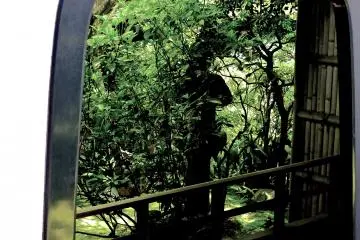
Larry KnipfingThe Keishun-in Temple garden is small and simple; quite lovely in early May. It was nice to sit quietly and soak up the fresh air.
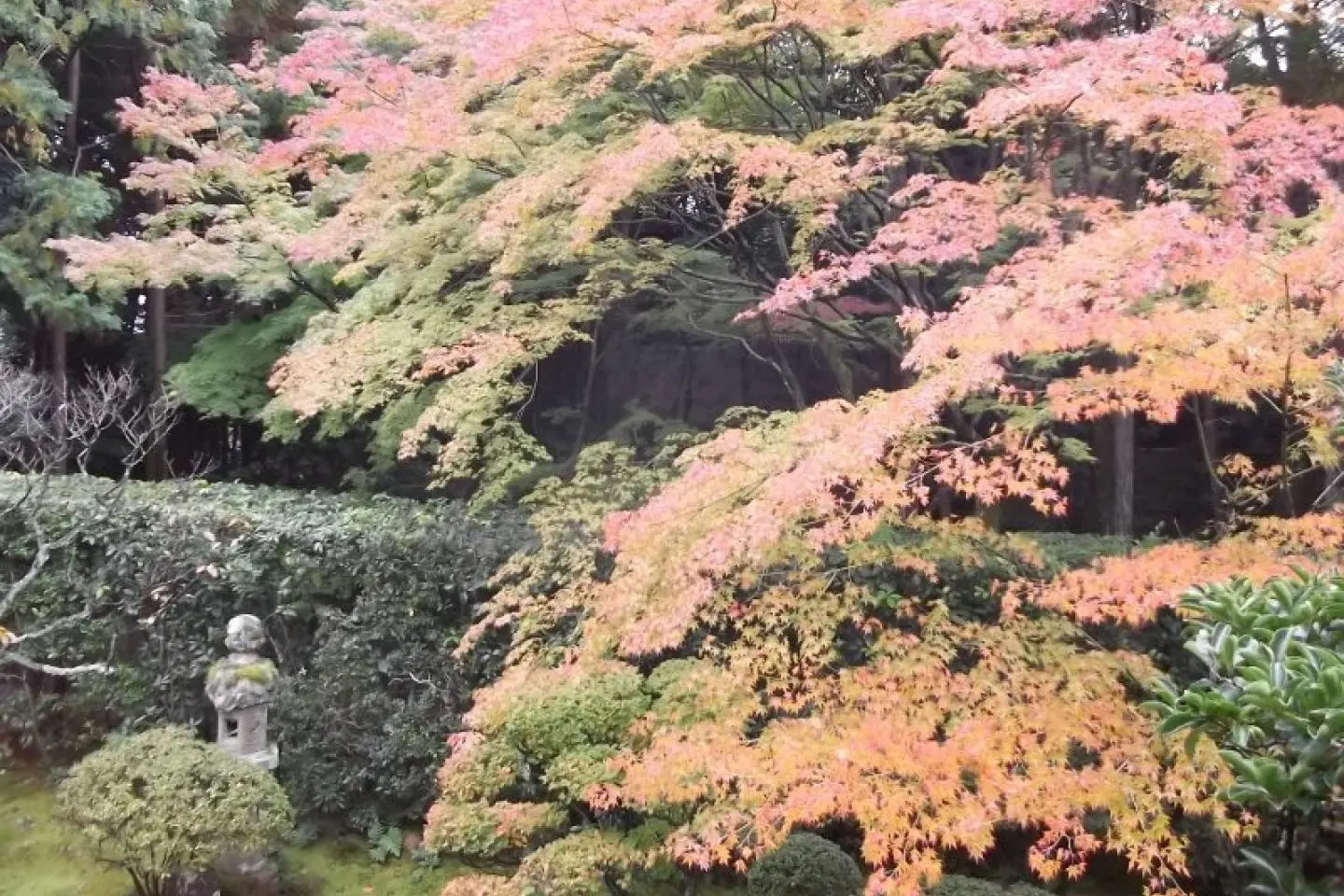
Keishunin (桂春院) is one of the sub-temples of Myoshin-ji containing gardens and a teahouse.
/135.72249054909,35.024830434659,9/397x132?access_token=pk.eyJ1IjoiamFwYW50cmF2ZWxtYXBzIiwiYSI6ImNqbXBtOXYxbDB5Z3ozbHFrazJuYWMwOGYifQ.v15fy_mcFWtgopmz8PhwqA)
The Keishun-in Temple garden is small and simple; quite lovely in early May. It was nice to sit quietly and soak up the fresh air.
桂春院の庭園と茶室は小さくて簡素だ; 5月上旬の新緑の季節、とても美しい。ただ静かに腰を下ろし、新鮮な空気を胸一杯吸い込むだけで十分だ。
วนและโรงน้ำชาของวัดเคชุน-อิน เป็นสวนขนาดเล็กและเรียบง่าย แต่ก็ดูสวยงามในช่วงต้นพฤษภาคม ที่นี่ไม่มีการเสริฟน้ำชา แต่ก็ไม่เป็นไร เพียงแค่นั่งเงียบๆ ดื่มด่ำชมสวนและอากาศบริสุทธิ์ ก็เพียงพอแล้ว
In Japan's ancient capital of Kyoto, Keishun-in is a very peaceful Zen Buddhist temple, with tranquil gardens unchanged in centuries.
Trong kinh đô cổ xưa Kyoto của Nhật Bản, Keishun-in là một ngôi chùa Thiền phái Phật giáo rất yên bình, với những khu vườn yên ắng trường tồn qua hàng thế kỉ.
Khu vườn trong đền Keishun-in nhỏ và đơn giản; khá đáng yêu vào đầu tháng năm. Thật là tuyệt khi ngồi xuống và hít thở không khí trong lành.
케이슌인 사찰 정원은 작고 단순했다. 5월 초에 꽤 상쾌하고 예뻤다. 단지 조용히 앉아서 푸른 정원의 신선한 공기를 숨쉬는 것 자체만으로도 좋았다.
Adashino Nenbutsu-ji is a Buddhist temple in Ukyo-ku, Kyoto, Japan. In 811 Kūkai is said to have founded a temple, then Honen altered it to the present Nenbutsuji. [Wikipedia]
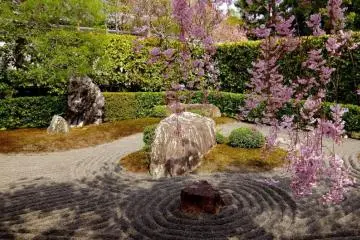
Taizō-in is the oldest sub-temple of the Myōshin-ji Rinzai Zen Buddhist temple, situated in the northwest of Kyoto, Japan. It was founded by Zen priest Muinsoin in 1404. The original temple buildings were burned during the Ōnin War, and were later rebuilt. Taizō-in is well known for its two gardens. [Wikipedia]
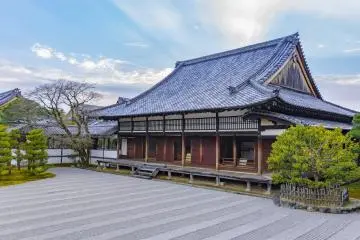
El templo Ninna-ji fue fundado en 888 y es un templo budista en el noreste de Kioto que está estrechamente asociado con la familia imperial de Japón. Es el templo principal de la escuela Omuro de la secta Shingon del budismo japonés. Hay muchos templos de la Escuela Omuro en todo Japón y muchos sacerdotes de estos templos vienen a Ninna-ji para asistir a los servicios budistas y para estudiar y capacitarse en el templo principal de su secta. El templo Ninna-ji es conocido no solo por el edificio en sí, sino también por su ubicación privilegiada como mirador de la flor de cerezo tardía. También tiene un hermoso jardín japonés desde el cual se puede ver la famosa pagoda de cinco pisos. Detrás del templo Ninna-ji está la peregrinación de Omuro, una versión más corta de la peregrinación de Shikoku. Esta ruta se puede recorrer en unas dos horas a pie, pero se cree que tiene el mismo significado que la peregrinación de Shikoku.