
Cultura
Myoshin-ji Temple Complex, Kyoto
Larry KnipfingMyoshin-ji Temple is a unique complex of 46 small temples, all gathered together in one location under the umbrella of the Rinzai School of Zen Buddhism.
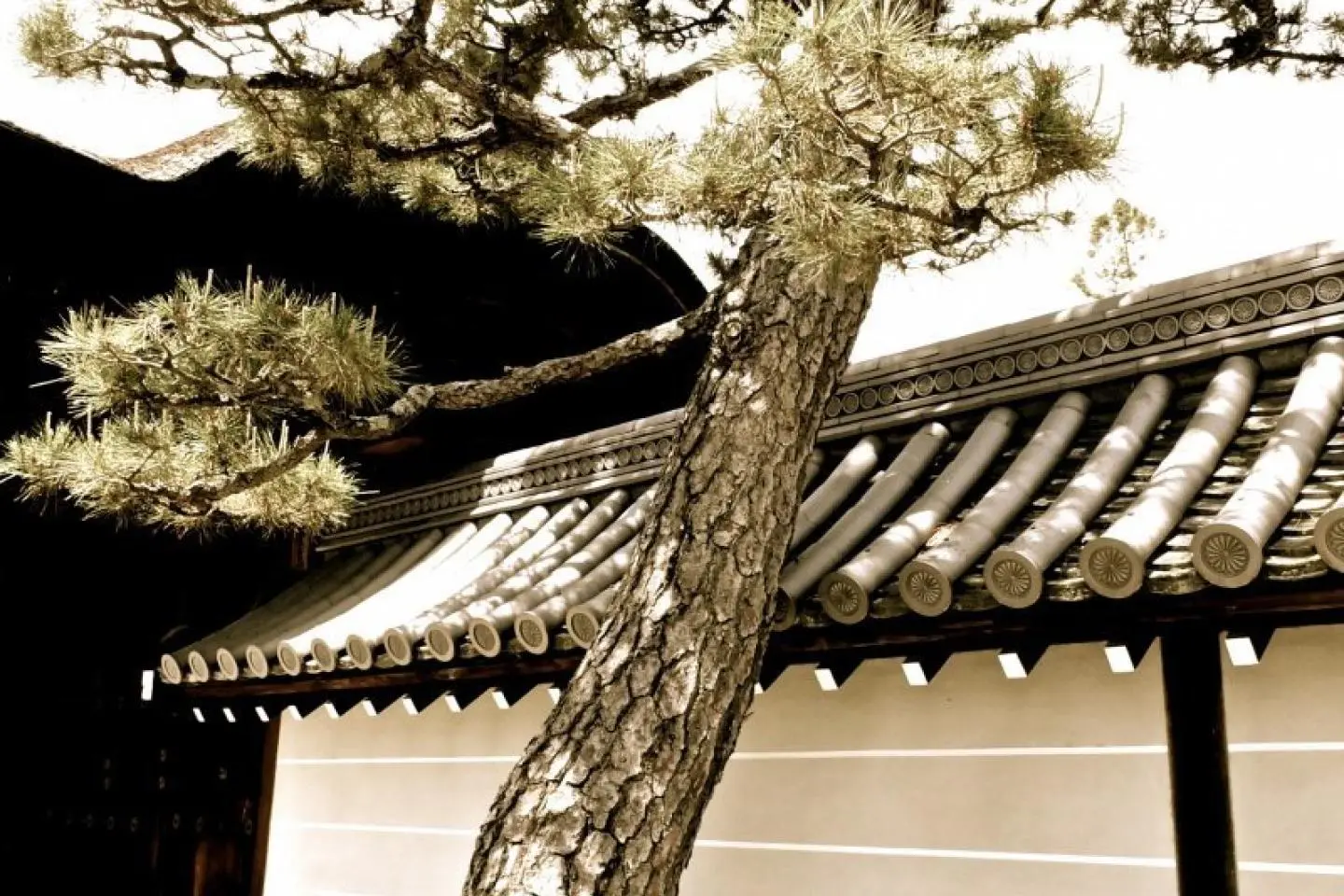
Adashino Nenbutsu-ji is a Buddhist temple in Ukyo-ku, Kyoto, Japan. In 811 Kūkai is said to have founded a temple, then Honen altered it to the present Nenbutsuji. [Wikipedia]
/135.7211711,35.0213113,9/397x132?access_token=pk.eyJ1IjoiamFwYW50cmF2ZWxtYXBzIiwiYSI6ImNqbXBtOXYxbDB5Z3ozbHFrazJuYWMwOGYifQ.v15fy_mcFWtgopmz8PhwqA)
Myoshin-ji Temple is a unique complex of 46 small temples, all gathered together in one location under the umbrella of the Rinzai School of Zen Buddhism.
Myoshin-ji Temple complex is one of my favorite places in Kyoto; I don't know what delights I'm going to find each time I visit
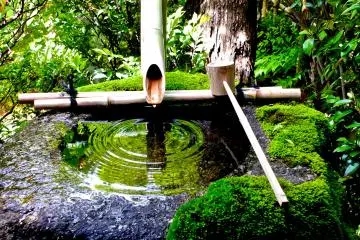
Daiho-in Temple Garden in May: The sound of water dripping out of bamboo into a small moss covered fountain blended with a bird's sweet voice.
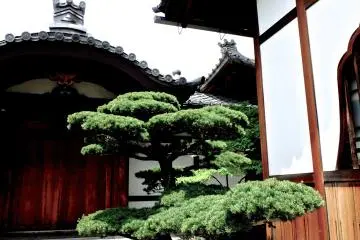
At Kin-gyu-in, the outer gate was open. Nobody was there; the inner gate was closed. I turned back to leave when something caught my eye...
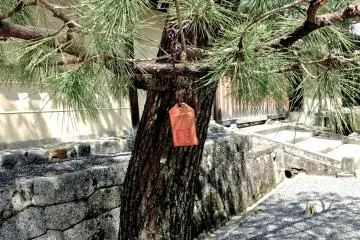
In early May, I revisited some of the places I had visited previously at Myoshin-ji - and they all seemed different! What a nice surprise!
金牛院に行くと、外門は開いていた。そこには誰もいなかった; しかし内門は閉まっていた。仕方なく引き返そうとした矢先、何かが目に飛び込んできた・・・
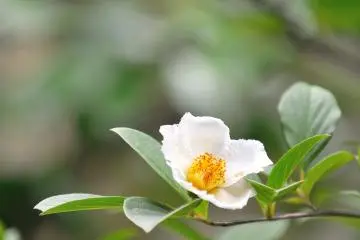
At the Temple of Sala Trees, I listened to a monk's sermons on a verse from 'The Tale of Heike', exemplifying fleeting beauty in the heart of Kyoto. This temple is usually closed to the public except for special festivals.
Храм Мёсин-дзи – это уникальный комплекс, состоящий из 46 маленьких храмов, собранных вместе в одной местности под крылом Школы Риндзай, практикующей Дзен Буддизм.
เมื่อช่วงต้นพฤษภาคม ผมได้แวะมาชมสถานที่ที่ได้แวะชมในคราวก่อน และทุกสิ่งทุกอย่างก็แตกต่างไปอย่างสิ้นเชิง มันช่างน่าประหลาดใจเสียจริงๆ!
วัดเมียวชิน-จิ เป็นอาณาวัดขนาดใหญ่ซึ่งรวมวัดเล็กๆ เข้าด้วยกันถึง 46 วัด รวมอยู่ภายใต้การดูแลของโรงเรียนพุทธศาสนานิกายเซน รินไซ
อาณาเขตวัดเมียวชิน-จิ เป็นสถานที่ชื่นชอบของผมในเมืองเกียวโต เนื่องจากผมจะไม่มีวันรู้เลยว่าแต่ละครั้งที่แวะไป ผมจะพบกับอะไรดีบ้าง
สวนของวัดไดโฮะ-อิน ในเดือนพฤษภาคม เสียงน้ำจากปล่องไม้ไผ่ไหลหยดลงในอ่างน้ำเล็กๆ ที่ปกคลุมไปด้วยตะไคร่น้ำ
ที่วัดคิน-คิว-อิน ประตูด้านนอกเปิดอยู่ ผมจึงเดินเข้าไป ไม่มีใครอยู่ที่นั่น แต่ประตูส่วนในปิด ในขณะที่ผมหมุนตัวกลับ มีบางสิ่งที่แตะตาผม
ที่วัดแห่งต้นสาละ ผมนั่งฟังเสียงสวดมนต์ของพระในวัด ในขณะที่นั่งชมสวนและความงามในระยะสั้นของดอกสาละในใจกลางเกียวโต
Ở Đền cây vô ưu, tôi đã nghe một bài giảng của một nhà sư về một câu thơ từ 'Câu chuyện về Heike', miêu tả vẻ đẹp chóng vánh ở trung tâm Kyoto. Ngôi đền này thường đóng cửa không cho tham quan trừ các lễ hội đặc biệt.
Myoshin-ji là một quần thể đặc biệt với 46 đền nhỏ, tất cả tập trung ở một địa điểm dưới trường Thiền Phật giáo Rinza.
Khu phức hợp đền Myoshin-ji là một trong những nơi yêu thích của tôi khi đến thăm ở Kyoto; Tôi không biết những gì tôi sẽ tìm thấy mỗi khi tôi đến đó
Khu vườn của đền Daiho-in vào tháng năm: Âm thanh của tiếng nước nhỏ giọt vào một bể nước rêu phủ hòa vào tiếng hót ngọt ngào của một con chim.
Ở Kin-gyu-in, cổng bên ngoài mở. Không ai ở đó, và cổng bên trong bị đóng. Tôi quay lại và rồi tôi bắt gặp cái gì đó...
Chuyến đi này, vào đầu tháng 5, tôi ghé thăm lại một số nơi mà tôi đã thăm trước đó ở đền Myoshin-ji - và tất cả chúng đều khác nhau! Một bất ngờ thú vị!
묘신지 사찰은 린자이 선종에 한 곳에 모여 있는 46개의 사찰들로 이루어진 독특한 사찰 단지다. 이느 사찰은 대중에게 개방되어 있는 반면 어느 몇몇은 그렇지 않다.
킨규인에서, 바깥쪽 문이 열려 있어서 들어가봤다. 아무도 없었고, 안쪽은 문은 닫혀있었다. 뭔가가 눈에 띄자 나는 떠나려고 돌아섰다. 그리고 또 다른 것. 또, 다른 것.
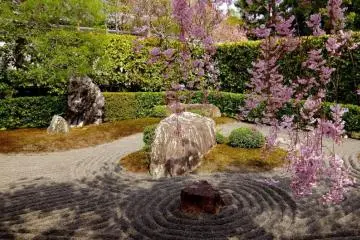
Taizō-in is the oldest sub-temple of the Myōshin-ji Rinzai Zen Buddhist temple, situated in the northwest of Kyoto, Japan. It was founded by Zen priest Muinsoin in 1404. The original temple buildings were burned during the Ōnin War, and were later rebuilt. Taizō-in is well known for its two gardens. [Wikipedia]
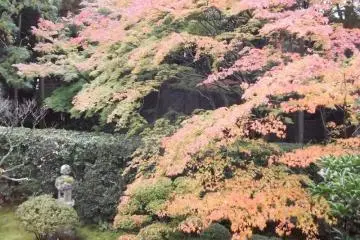
Keishunin (桂春院) is one of the sub-temples of Myoshin-ji containing gardens and a teahouse.
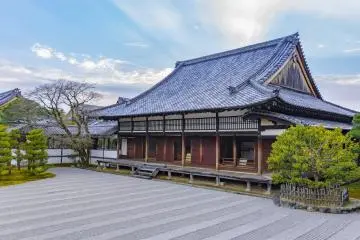
El templo Ninna-ji fue fundado en 888 y es un templo budista en el noreste de Kioto que está estrechamente asociado con la familia imperial de Japón. Es el templo principal de la escuela Omuro de la secta Shingon del budismo japonés. Hay muchos templos de la Escuela Omuro en todo Japón y muchos sacerdotes de estos templos vienen a Ninna-ji para asistir a los servicios budistas y para estudiar y capacitarse en el templo principal de su secta. El templo Ninna-ji es conocido no solo por el edificio en sí, sino también por su ubicación privilegiada como mirador de la flor de cerezo tardía. También tiene un hermoso jardín japonés desde el cual se puede ver la famosa pagoda de cinco pisos. Detrás del templo Ninna-ji está la peregrinación de Omuro, una versión más corta de la peregrinación de Shikoku. Esta ruta se puede recorrer en unas dos horas a pie, pero se cree que tiene el mismo significado que la peregrinación de Shikoku.